

The character classes of Advanced Dungeons & Dragons 1st Edition are more than game mechanics. Their names are artifacts of fantasy history: a mixture of medieval romance, ancient mythology, pulp adventure, religious vocabulary, and the improvisational culture of early tabletop roleplaying. Each name carries centuries of linguistic history before it ever became a line on a character sheet.
When Gary Gygax and Dave Arneson developed the foundations of Dungeons & Dragons, they were not creating a unified fantasy language. They were drawing from everything available to them: medieval literature, mythology, historical terminology, fantasy novels, wargaming conventions, and the imaginations of their players.
The result was a fascinating but linguistically mixed collection of class names:
- Cleric
- Druid
- Fighter
- Paladin
- Ranger
- Magic-User
- Illusionist
- Thief
- Assassin
- Monk
- Bard
These names worked brilliantly for the fantasy world D&D created, but they also reveal their origins. Some are rooted in Latin Christianity. Some come from Celtic traditions. Some come from medieval French and Italian. Others are simple English words. A few reflect fantasy concepts that did not exist before modern fiction.
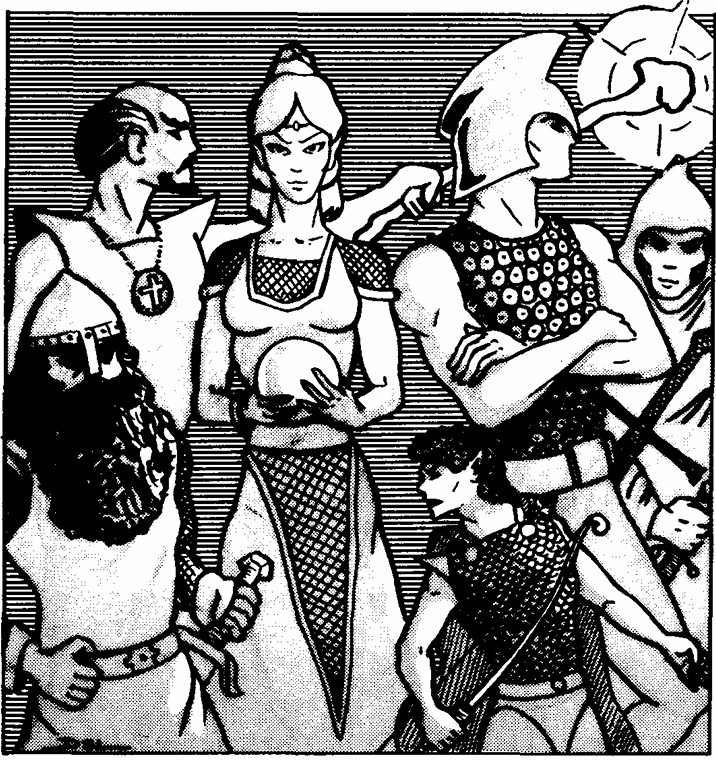
For a campaign inspired by Anglo-Saxon England, Viking-age Scandinavia, or the heroic societies described in early medieval literature, these names can feel like they belong to different eras and cultures. The concepts still work, but the vocabulary can be adjusted.
The goal is not to create historically accurate Old English translations. A modern audience does not speak Old English, and a roleplaying game needs names players immediately understand. The goal is to create class names that feel like they could exist in a world of halls, oaths, shield-walls, forests, runes, and ancient magic while remaining clear to modern English speakers.
The following replacements preserve the spirit of the AD&D archetypes while giving them a more Anglo-Saxon or Viking-inspired identity:
| AD&D 1e Class | New Name |
| Cleric | Oathwarden |
| Druid | Grovewarden |
| Fighter | Warrior |
| Paladin | Thane |
| Ranger | Hunter |
| Magic-User | Wizard |
| Illusionist | Spellbinder |
| Thief | Sleuth |
| Assassin | Spy |
| Monk | Steeplekeeper |
| Bard | Herald |
The Original Three: Fighter, Magic-User, and Cleric
The earliest versions of Dungeons & Dragons were built around three broad character roles: fighting-man, magic-user, and cleric.
These were not initially detailed professions. They were categories inherited from the wargaming roots of the game.
Fighter → Warrior
The original term “Fighting-Man” was practical and descriptive. It identified the character whose primary role was combat. It was not tied to a specific culture or social class.
The modern word “fighter” is perfectly understandable, but “warrior” carries more heroic and historical weight.
A warrior is not merely someone who fights. The word suggests:
- skill at arms
- courage
- reputation
- loyalty
- battlefield identity
This fits an Anglo-Saxon or Viking-inspired setting especially well. The warrior is the shield-bearer, the champion, the person who earns fame through deeds.
In Old English literature such as Beowulf, warriors are defined not simply by their weapons but by their place within a society of loyalty, honor, and reputation.
“Warrior” captures that idea immediately for modern players.
Magic-User → Wizard
The original term “Magic-User” was one of the most functional names in early D&D. It was almost a rules category: a person who uses magic.
The name avoided choosing between many fantasy traditions:
- wizard
- sorcerer
- enchanter
- witch
- magician
However, “Magic-User” sounds technical rather than cultural.
“Wizard” is a better fit for an Anglo-Saxon-inspired setting because it suggests wisdom and hidden knowledge. The word comes from the Old English idea of wisdom, and its modern fantasy meaning has been shaped by centuries of storytelling.
A wizard is not simply someone who casts spells. A wizard is a keeper of forgotten lore, a reader of mysteries, and a person who understands forces ordinary people cannot.
Cleric → Oathwarden
The cleric is one of the most uniquely D&D classes. The word itself comes from religious vocabulary. A cleric is historically a member of the clergy, a person associated with sacred learning and religious service.
The AD&D cleric, however, was never simply a medieval priest. It was a fantasy combination of:
- holy person
- miracle worker
- armored champion
- protector against supernatural evil
For an Anglo-Saxon or Viking-inspired world, “Oathwarden” shifts the emphasis from organized religion to sacred duty.
The word combines two powerful early medieval concepts:
- oath: a binding promise of loyalty and honor
- warden: a guardian or keeper
An Oathwarden is someone who protects a people, a faith, a lord, or a sacred promise.
The name feels at home in a society where identity is built around sworn bonds.
Expanding the World: The Later AD&D Classes
As D&D developed, new classes appeared that reflected different fantasy traditions. These additions moved beyond simple roles and created recognizable archetypes.
Druid → Grovewarden
The druid comes from Celtic history. Ancient druids were religious specialists, judges, teachers, and keepers of traditional knowledge.
The fantasy druid became associated with:
- forests
- animals
- natural magic
- sacred places
“Grovewarden” translates the idea rather than the historical word. A grove is a sacred natural place. A warden is a protector. The name immediately communicates the class:
A Grovewarden is the guardian of the old places.
It also follows the style of early Germanic and Anglo-Saxon compounds, where ideas were often combined into descriptive names.
Paladin → Thane
The paladin originated from medieval romance. The word originally referred to a high-ranking official of a royal palace, but literature transformed the term into the image of the perfect knight.
The AD&D paladin represented:
- honor
- virtue
- divine favor
- heroic service
“Thane” brings the class closer to an Anglo-Saxon world.
A thane was a warrior noble, a sworn follower of a king or lord, and a member of the warrior elite.
The trade-off is that “Thane” emphasizes social status and loyalty more than holiness.
That may actually be desirable. In a Viking or Anglo-Saxon setting, a hero’s identity often came from the oath they swore and the lord they served.
Ranger → Hunter
The ranger is one of the classes most strongly influenced by modern fantasy literature. The word became associated with wilderness guardians and wandering protectors.
The replacement “Hunter” focuses on the oldest and clearest part of the concept:
- tracking
- survival
- wilderness knowledge
- pursuit
A Hunter is immediately understandable.
While “ranger” suggests a specific fantasy tradition, “Hunter” feels universal. Every early medieval society understood the importance of people who knew the forests, mountains, and borders.
Illusionist → Spellbinder
The illusionist was a specialist magic-user focused on deception and altered perception.
The original word comes from Latin roots meaning deception or trickery. It is accurate, but scholarly.
“Spellbinder” is a much stronger fantasy word.
A spellbinder does not merely create illusions. The name suggests someone whose words, songs, or magic can hold attention and alter reality.
It connects magic with the power of language, which fits perfectly in cultures where poetry, oaths, and spoken tradition were considered powerful forces.
Thief → Sleuth
“Sleuth” changes the class from criminal to investigator.
A Sleuth is someone who finds what others cannot:
- hidden paths
- secrets
- lost objects
- weaknesses in defenses
The word emphasizes intelligence and observation rather than dishonesty.
A Sleuth could serve a king, explore ruins, uncover conspiracies, or search for ancient treasures.
The class becomes less “criminal adventurer” and more “keeper of hidden knowledge.”
Assassin → Spy
“Spy” similarly removes the assumption of evil.
A spy can be:
- a royal agent
- a scout
- a diplomat’s assistant
- a secret messenger
The word emphasizes secrecy and information.
In a Viking-inspired setting, where alliances, rivalries, and feuds matter greatly, spies would be essential members of any powerful household.
The class becomes the master of secrets rather than simply a professional killer.
Monk → Steeplekeeper
The word “monk” already has deep medieval roots, coming from the Greek monachos, meaning “solitary” or “one who lives alone.” In medieval Europe, monks were people who withdrew from ordinary life to pursue spiritual discipline through prayer, study, ritual, and self-improvement.
A Steeplekeeper is someone who lives in or maintains a sacred place:
- a monastery
- a hermitage
- a temple
- a secluded tower or steeple
The term creates a role that would feel at home in an Anglo-Saxon or Viking-inspired world: a person who lives apart from the noise of the hall, preserving traditions, studying mysteries, and seeking wisdom through daily practice.
Bard → Herald
The bard comes from Celtic tradition. Historically, bards were poets, storytellers, and keepers of cultural memory.
The Anglo-Saxon equivalent would be the scop, a poet who preserved history and celebrated heroes.
“Herald” shifts the emphasis toward public voice.
A Herald is:
- a messenger
- a speaker
- a keeper of reputation
- a representative of a lord
This fits a heroic society where words have power.
The Herald announces victories, preserves legends, and carries messages between powerful people.
Building a More Unified Fantasy Culture
The advantage of these renamed classes is that they create a more consistent cultural identity.
The original AD&D list feels like a meeting place of many traditions:
- Latin church terms
- Celtic mythology
- medieval romance
- pulp fantasy
- modern adventure fiction
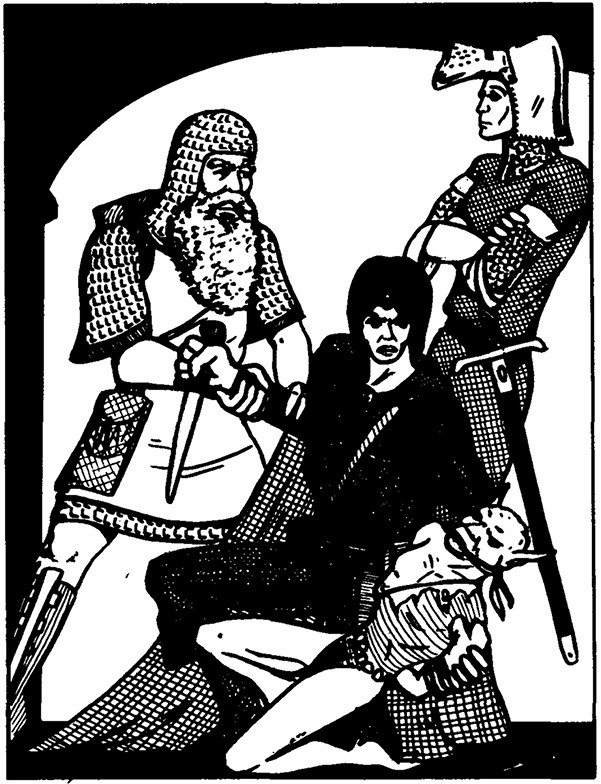
The renamed list feels like it belongs to one society. These are roles that could exist in a world of:
- kings and warbands
- sacred groves
- ancient ruins
- oath-bound heroes
- wandering storytellers
- hidden magic
The names describe what people do rather than judging who they are. That is perhaps the biggest difference.
A Thief is defined by a crime. A Sleuth is defined by a skill.
An Assassin is defined by a killing. A Spy is defined by a purpose.
A Cleric is defined by a religious institution. An Oathwarden is defined by a promise.
This approach creates a fantasy world where adventurers are not simply collections of abilities. They are members of a culture with duties, reputations, and traditions.
The original AD&D classes created the foundation of fantasy roleplaying. These renamed classes create a different vision: a heroic age where warriors defend halls, oathkeepers guard sacred bonds, wizards preserve forgotten knowledge, and seekers of secrets shape the fate of kingdoms.
© 2026 Christian A. Larsen. All Rights Reserved.


Leave a Reply