

J.R.R. Tolkien’s The Lord of the Rings is built on choices, chance, and courage. Every decision—from who carries the One Ring to who enters the Mines of Moria—shapes the fate of Middle-earth. But what if a single, devastating event had occurred differently? Imagine that Frodo Baggins, mortally wounded by the Morgul blade of the Witch-king, had succumbed to his injuries after reaching Rivendell. The consequences for the Fellowship, the quest, and even the fate of Sauron would be profound. In this post, we explore a fascinating alternate timeline: Merry Brandybuck as the Ringbearer.
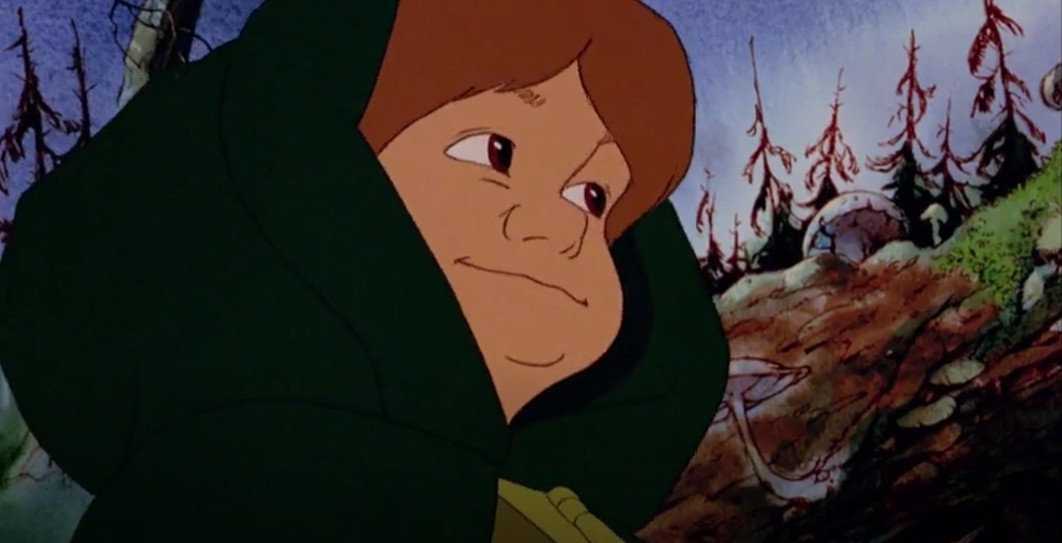
Frodo’s Death at Rivendell: Setting the Stage
Frodo Baggins’ journey begins in the Shire, ostensibly simple and pastoral, before he inherits the burden of the One Ring from Bilbo. The Morgul wound inflicted by the Witch-king in Weathertop is serious and insidious—it festers over time, threatening both life and mind. In canon, the intervention of Elrond and the healing power of Vilya, the elven ring of air, save Frodo, allowing the quest to continue. But suppose Elrond’s healing was insufficient. Frodo succumbs to his injuries, leaving Middle-earth without its initial Ringbearer.
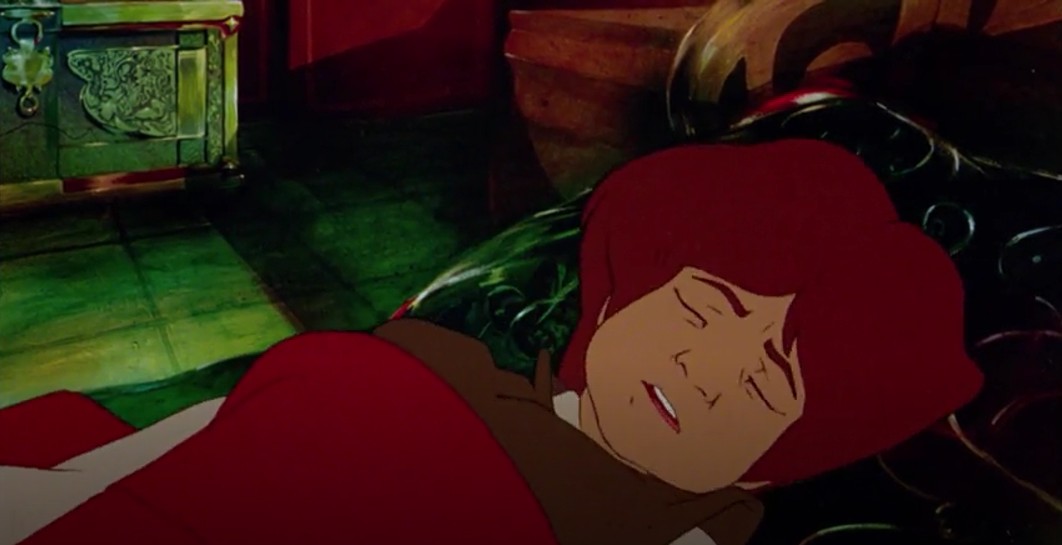
This scenario raises a critical question: who would inherit the One Ring? Tolkien’s works often intertwine fate, lineage, and moral character. Unlike modern fantasy where objects of power might be claimed by whoever is nearby, Tolkien emphasizes heritage, kinship, and personal suitability in determining the Ring’s bearers.
Merry Brandybuck: The Logical Successor
In the Shire, Frodo and Meriadoc “Merry” Brandybuck were not just cousins—they were close companions, having shared childhood adventures around Buckland. If Frodo dies, Merry is arguably the closest “next-of-kin” with a legitimate claim to the Ring. Unlike Pippin, Merry is older, more disciplined, and better suited to a perilous journey. He has already demonstrated responsibility and courage in engineering Frodo’s escape from the Shire (and as seen later in the War of the Ring), a level-headedness that Pippin often lacks.
The alternative to Merry inheriting the Ring would be for the Council to appoint a new bearer from among the wise. Yet such a decision risks undermining the purity of the process. If the Ring changes ownership through tragedy, to then assign it through deliberation or ambition could certainly taint the choice even further. And with such a slim margin for error, that may have been enough to turn a desperate errand into a doomed one.
Samwise Gamgee: Returning Home
If Merry becomes the Ringbearer, what happens to Samwise Gamgee? In Tolkien’s canon, Sam’s life is inextricably tied to Frodo’s journey. He is loyal to the extreme, leaving the Shire to protect Frodo when the stakes are highest.
In this alternate timeline, Sam faces a difficult decision. Frodo is dead. The quest is no longer centered on the Shire hobbit he swore to protect. Sam, being practical and rooted in the Shire, would logically return home to care for the Gaffer and Rosie. His strong sense of duty to family and the land would outweigh any abstract commitment to a Ring now carried by someone else. Sam’s absence from the Fellowship would have major implications for the group’s dynamics, as he is both moral support and a practical problem-solver. Without Sam, the early Fellowship’s resilience might be compromised, but Merry’s maturity and sense of duty could compensate.
The Fellowship Reorganized: Gloin and Galdor
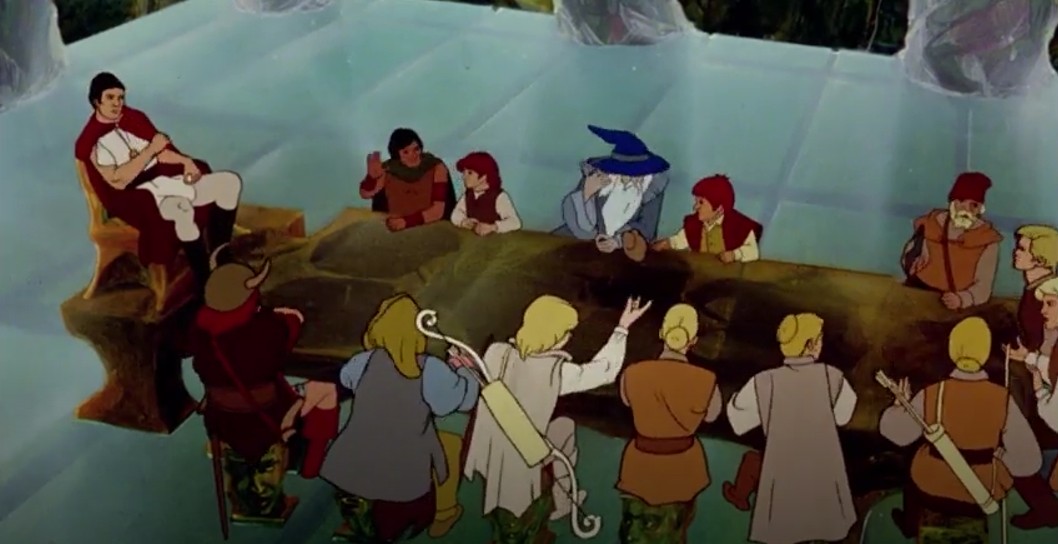
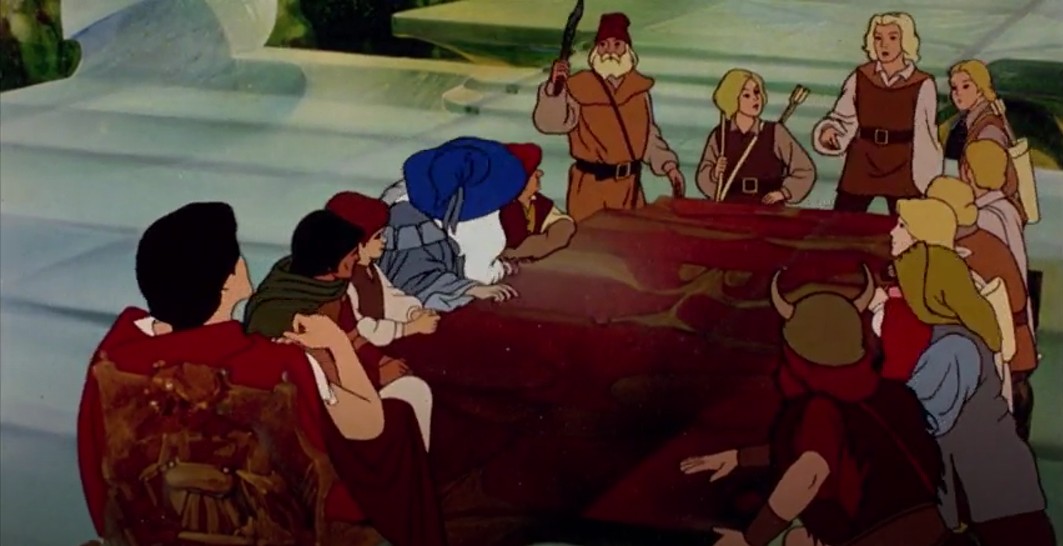
Tolkien’s canon shows the Fellowship of the Ring as a carefully constructed party of nine: four hobbits, Aragorn, Legolas, Gimli, Boromir, and Gandalf. In this alternate scenario, the hobbit contingent shrinks to two: Merry and Pippin. Who fills the gaps?
Gloin, father of Gimli, could logically step in to maintain dwarvish representation. A stout, seasoned warrior, Gloin brings both combat skill and wisdom from Middle-earth’s long history. He would complement Gimli’s comparatively youthful energy, creating a pair capable of handling the threats of orcs, trolls, and the perils of Moria.
Galdor of the Havens could serve as the ninth member, representing the elves’ interests and the strategic insight of the realms of Lindon and the Havens. As a noble and thoughtful elf-lord, Galdor has experience navigating the politics of Middle-earth and guiding mortals through dangerous territory. His presence ensures that the Fellowship retains balanced representation from each race, which is crucial for the unity and mission success of the party.
Merry’s Strengths as a Ringbearer
Many fans might hesitate to imagine Merry as the Ringbearer, given that Frodo is central to Tolkien’s story. However, Merry possesses qualities that make him uniquely suited:
- Physical Capability: Unlike Frodo, who is small and often physically vulnerable, Merry is sturdier. This could provide practical advantages in combat and travel.
- Mental Fortitude: While he is playful and curious, Merry is inherently cautious and thoughtful. These traits reduce the risk of rash decisions under the Ring’s influence.
- Leadership Qualities: Merry demonstrates a natural aptitude for strategy as leader of the Conspiritors, managing Frodo’s escape to Buckland without even Frodo knowing. Merry’s actions and arrangements were the difference between escaping into the Old Forest, or being overtaken by the Nazgûl.
- Moral Compass: Like Frodo, Merry has an innate sense of right and wrong, which is essential when resisting the Ring’s corrupting power. His awareness of duty and responsibility could make him a more balanced Ringbearer than Frodo, who is emotionally sensitive and easily burdened by guilt and fear.
The Dynamics of the Fellowship with Merry
With Merry at the helm, the group dynamics would shift in several ways:
- Aragorn: His role as leader remains unchanged, but he may take on a more paternal or mentoring stance toward Merry. Aragorn would recognize Merry’s potential, balancing his guidance with allowing Merry independence in decision-making.
- Gimli and Gloin: The father-son dynamic between Gimli and Gloin adds emotional depth and seasoned experience to the party. Gloin could advise Merry on dwarvish resilience, mining expertise, and combat strategy.
- Legolas and Galdor: Elf representation would shift from Legolas alone to include Galdor, offering strategic insight and a bridge between the younger elf and the wider elven realms. Galdor could advise on long-term planning, especially regarding Sauron’s movements.
- Boromir: The dynamics with Boromir could change subtly. In canon, Boromir’s temptation by the Ring is partly influenced by Frodo’s seeming vulnerability. With Merry as a sturdier, more assertive hobbit, Boromir might approach differently, perhaps respecting the new Ringbearer’s agency more—or attempting manipulation in a new way.
Potential Changes in the Journey
With Merry as Ringbearer, the journey to Mordor might unfold differently:
- Moria and the Mines: Merry’s larger size and combat skills could aid the Fellowship in battles against orcs and trolls. While Frodo’s smallness allowed him to be somewhat overlooked, Merry might attract more attention, requiring strategic adaptation.
- Interactions with Gollum: Gollum’s pursuit of the Ring would continue, but his perception of Merry might differ from that of Frodo. Merry’s confidence and physicality could intimidate Gollum in ways Frodo could not.
- Resistance to the Ring: Merry’s maturity might allow him to resist the Ring’s corrupting influence longer (and certainly his briefer ownership would), but the burden could weigh on him in different ways. Where Frodo struggled with guilt and fear, Merry might experience pride, responsibility, and determination as both motivators and vulnerabilities.
- Alliances and Conflicts: Merry’s more proactive nature could result in earlier or more decisive interventions in places like Rohan and Gondor, potentially altering key events like the Battle of Helm’s Deep or the Siege of Minas Tirith.
The Role of Elves and Men
Galdor’s presence as the ninth member is crucial. He would provide a stabilizing influence for Merry and the rest of the Fellowship. His experience and foresight could prevent impulsive decisions, offering counsel grounded in elvish wisdom. Similarly, Aragorn and Boromir would need to adapt their approaches to Merry’s more assertive and capable personality.
Additionally, Merry’s direct lineage in the Shire and his position as next-of-kin to Frodo might make him a symbolic figure for hobbits in the wider war against Sauron. His status would affirm that the Shire has a voice in the fate of Middle-earth, not merely as a place of peace but as a source of courage and resolve.
Conclusion: Middle-earth Under Merry’s Stewardship
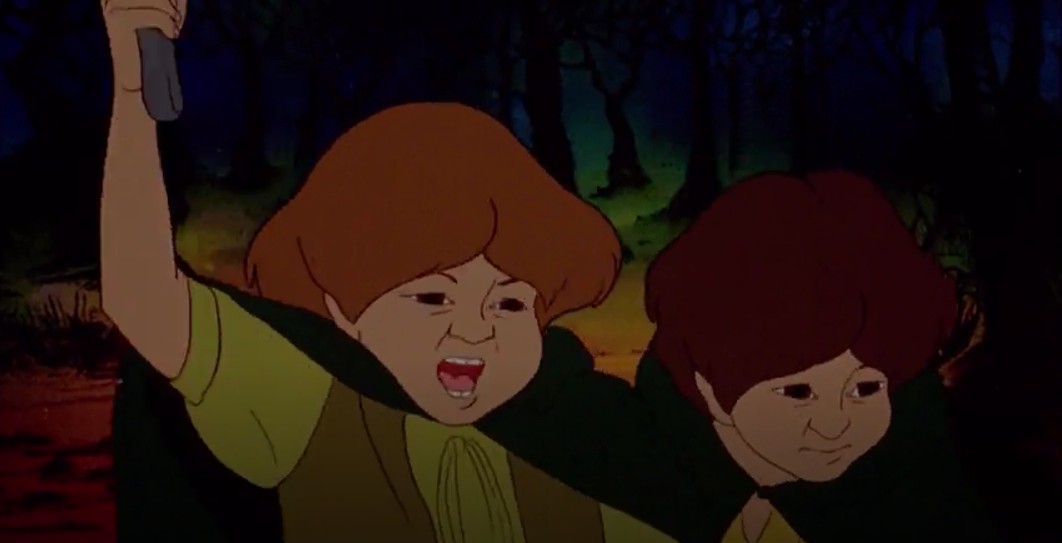
In imagining this alternate history, we see a Middle-earth where the familiar narrative is reshaped but still aligned with Tolkien’s themes of courage, loyalty, and fate. Merry, stepping into Frodo’s role, brings unique strengths: physical resilience, moral clarity, and strategic acumen. Sam’s return to the Shire allows him to fulfill personal obligations while Merry shoulders the Ring’s burden. The Fellowship adapts with Gloin and Galdor joining, preserving the balance of races and wisdom in the group.
While the path to Mordor would undoubtedly be fraught with new challenges, Merry’s ascension as Ringbearer reminds us that heroism is flexible, and the fate of Middle-earth is a tapestry woven from the courage of many hands. It is a testament to Tolkien’s genius that the story could unfold differently while preserving the essential truths of friendship, sacrifice, and the enduring fight against darkness.
© 2026 Christian A. Larsen. All Rights Reserved.
 Christian A. Larsen
Leave a comment